Archives
Categories
-

Tokyo
Related Tours
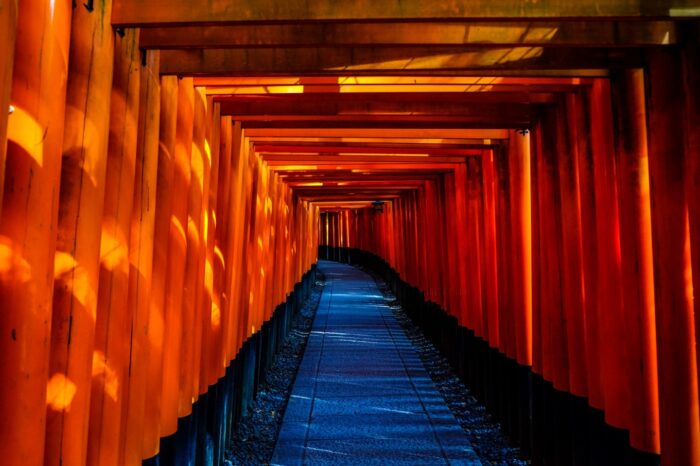
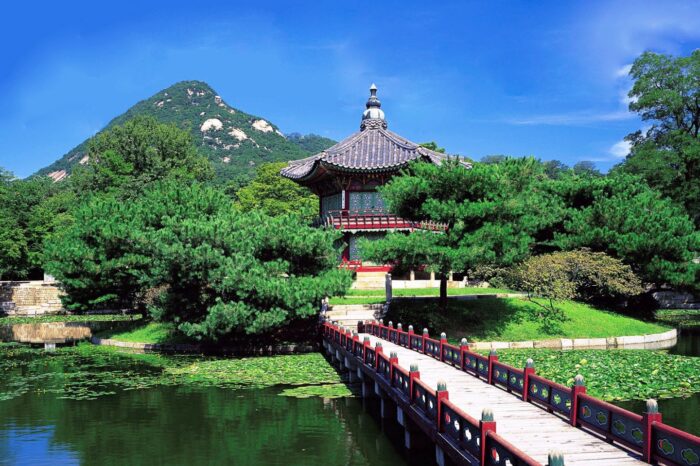
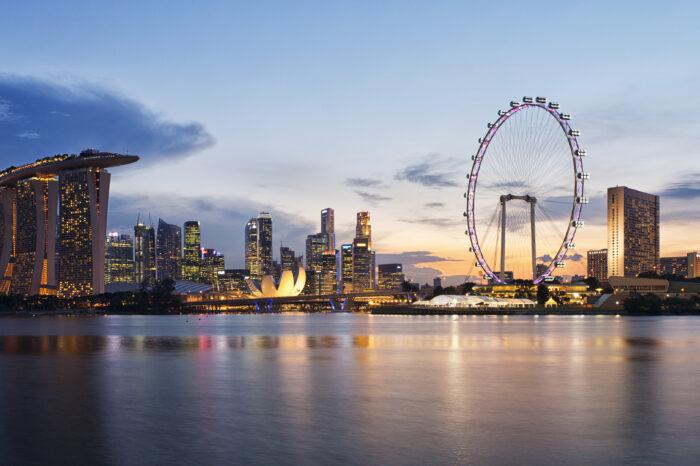
Tokyo offers a seemingly unlimited choice of shopping, entertainment, culture and dining to its visitors.
Exploring the Area
Tokyo is less of a single city and more of a massive collection of distinct hubs. To build an efficient itinerary, visitors should group neighboring areas together to cut down on train travel time.
-
The West (Modern & High-Energy): Shinjuku (skyscrapers, nightlife, major transit) and Shibuya (youth culture, shopping, neon lights).
-
The East (Traditional & Cultural): Asakusa (historic temples, old-world Edo atmosphere) and Ueno (museums, expansive public parks).
-
The Central Core: Ginza (high-end fashion, upscale architecture) and Marunouchi (the sleek business district flanking Tokyo Station).
Coastal Adventures
Tokyo’s waterfront centers entirely around Tokyo Bay, offering a distinct, futuristic contrast to the dense inland city blocks.
-
Odaiba Entertainment Island: A massive man-made island packed with indoor theme parks and future-focused interactive spaces like the Miraikan Museum.
-
Odaiba Marine Park: An 800-meter sandy beach perfect for evening strolls with unmatched views of the Tokyo skyline and the 11-meter-tall Statue of Liberty replica.
-
The Rainbow Bridge: The iconic suspension bridge connecting the mainland to Odaiba. At night, its multicolored illumination gives the entire bay a striking, cinematic aesthetic.
-
Tokyo Bay Dinner Cruises: Open-air water buses and dining ships depart from Hinode Pier, offering multi-course meals directly on the water.
Eating and Drinking
Tokyo is arguably the world’s premier culinary destination, celebrated equally for world-class fine dining and affordable, hyper-specialized comfort food.
-
Sushi Dynamics: Visitors can opt for high-speed, budget-friendly conveyor belt sushi (kaitenzushi) anywhere in the city, or book intimate, chef-led sushi counters near the historic Tsukiji outer market and Toyosu.
-
Ramen Hubs: From rich, creamy pork-bone tonkotsu to clear, soy-based shoyu, Tokyo’s train stations and basement alleys are lined with single-style ramen shops where meals are ordered via ticket vending machines.
-
Yokocho Alleys: Narrow, lantern-lit pedestrian paths—like Shinjuku’s Omoide Yokocho or Shibuya’s Nonbei Yokocho—where micro-bars seat fewer than ten people and serve grilled chicken skewers (yakitori) right off the charcoal grill.
-
Monjayaki in Tsukishima: A savory, runny pan-fried batter dish packed with seafood and cabbage, specific to Tokyo’s waterfront districts.
What to See and Do
The perfect Tokyo itinerary intentionally balances towering 21st-century landmarks with quiet, centuries-old spiritual sanctuaries.
-
Senso-ji Temple (Asakusa): Tokyo’s oldest and most iconic Buddhist temple, entered via the massive Kaminarimon (Thunder Gate) and a bustling 250-meter traditional shopping street.
-
Shibuya Crossing & Shibuya Sky: Stand directly inside the world’s busiest pedestrian intersection, then head up 229 meters to the open-air rooftop observatory for panoramic views of the city.
-
Meiji Jingu Shrine: A peaceful, sprawling Shinto shrine hidden inside a dense 170-acre forest right in the center of the bustling Harajuku fashion district.
-
Digital Art Exhibitions: Immersive, borderless digital art spaces like teamLab Planets in Toyosu or teamLab Borderless in Azabudai Hills, where visitors walk through massive interactive light rooms.
Where to Stay
Choosing where to stay depends on a traveler’s preferred pace, budget, and daily plans.
| Neighborhood | Best For | Atmosphere |
| Shinjuku | First-timers & Nightlife | Fast-paced, bright neon, ultimate transit links |
| Shibuya | Shopping & Trends | Youthful, energetic, highly pedestrianized |
| Asakusa / Ueno | Budget-Friendly & Families | Historic, quiet, laid-back residential feel |
| Ginza | Premium Hotels & Dining | Elegant, upscale, wide avenues |
How to Get Around
Tokyo’s public transportation network is incredibly clean, punctual, and safe, making renting a car completely unnecessary within the city center.
-
The Train & Subway System: Split primarily between the above-ground JR lines (including the JR Yamanote Loop Line connecting all major hubs) and two massive underground subway networks (Tokyo Metro and Toei Subways).
-
Digital Transit Cards: Physical or digital smartphone transit cards (Suica or Pasmo) are essential. They link directly to mobile wallets and can be tapped seamlessly at any ticket gate or used to buy drinks from city vending machines.
-
The Yurikamome Line: An elevated, fully automated driverless monorail that loops across the Rainbow Bridge out to Odaiba, providing spectacular aerial views of the harbor.
-
Taxis: Readily available and highly professional, with automatic opening/closing rear doors. They are ideal for short trips when navigating a massive station layout with heavy luggage feels too daunting.
RoadsnRunways
We engineer seamless global travel experiences from asphalt to altitude. Backed by first-hand expertise across more than 45 countries, we manage every variable of your journey, specializing in securing premium international hotel bookings at completely unbeatable rates.