Archives
Categories
-
Seoul
Related Tours
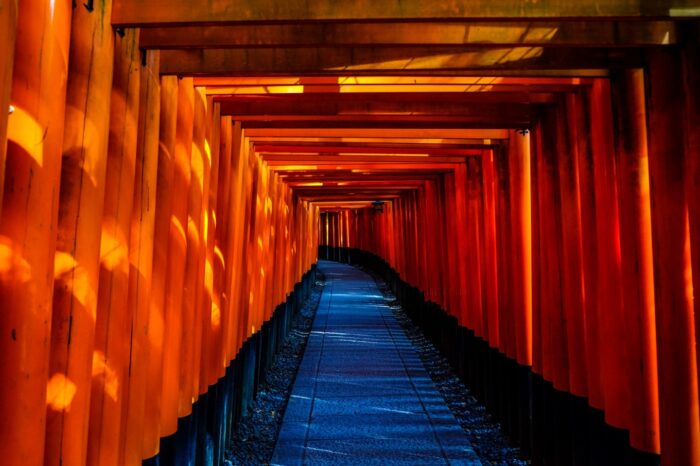
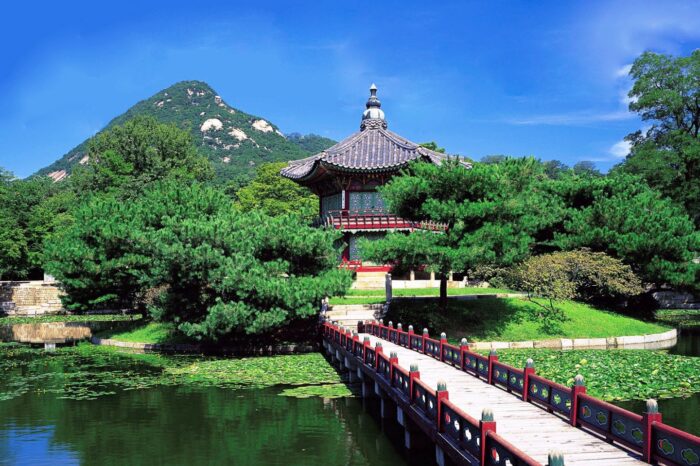
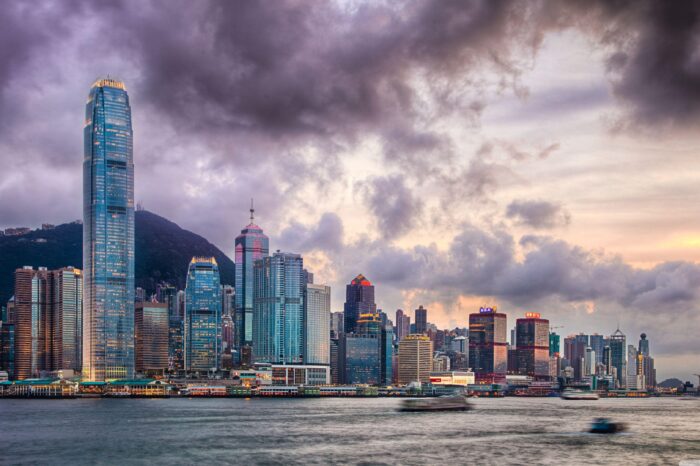
The capital city of the Republic of Korea, has been the center of the country throughout its long history from the prehistoric era to the present day.
Exploring the Area
Seoul is a magnificent blend of hyper-modern glass skyscrapers and ancient Dynastic history, sharply divided into two distinct halves by the wide Han River.
-
Gangbuk (The Historic North): This is the cultural heart of the city. It houses the ancient palaces, traditional alleyways, and primary tourist hubs like Myeongdong, Insadong, and Jongno.
-
Gangnam (The Modern South): Known globally for its glitz, this area is the epicenter of business, luxury fashion, K-beauty, and futuristic high-rise architecture.
-
The Student Hubs (The West): Areas like Hongdae and Ewha are fueled by nearby universities, making them the top spots for indie music, street performances, and affordable, trendy shopping.
Coastal Adventures
While Seoul is landlocked, its massive Han River waterfront acts as the city’s playground, providing expansive open-air spaces and dramatic evening water displays.
-
Yeouido Hangang Park: The ultimate riverside park where locals gather to rent bicycles, enjoy outdoor picnics, and view the city skyline. It is also the prime launching pad for sunset river cruises.
-
Banpo Bridge Rainbow Fountain: A spectacular nighttime attraction where hundreds of programmed LED water jets shoot directly out from the side of the bridge, perfectly synchronized to music.
-
Water Sports at Ttukseom: A designated hub for active travelers looking to experience windsurfing, kayaking, and stand-up paddleboarding right on the river.
-
Floating Islands (Sebitseom): Three futuristic, illuminated artificial islands floating on the river that house lakeside cafes, exhibition spaces, and rooftop viewing decks.
Eating and Drinking
From sizzling street stalls to upscale dining, Seoul’s food scene is deeply social, high-energy, and packed with bold flavors.
-
Korean BBQ Culture: An essential interactive dining experience where premium cuts of pork belly (samgyeopsal) or marinated beef (bulgogi) are grilled directly at the center of your table.
-
Traditional Street Markets: Places like Gwangjang Market offer a lively maze of stalls serving up freshly fried mung bean pancakes (bindaetteok), spicy rice cakes (tteokbokki), and handmade knife-cut noodles.
-
The Chimaek Phenomenon: A beloved local pairing of crispy Korean fried chicken and ice-cold draft beer, best enjoyed in the lively nightlife alleys of Hongdae or delivered straight to your riverside picnic mat.
-
Traditional Tea Houses: Tucked away in the quiet stone-walled alleys of Insadong, these wooden heritage buildings serve artisanal plum, ginger, and green teas alongside traditional rice cakes.
What to See and Do
Seoul rewards travelers who love dramatic contrasts, allowing you to walk out of a 600-year-old royal gate and directly into a digital art mall.
-
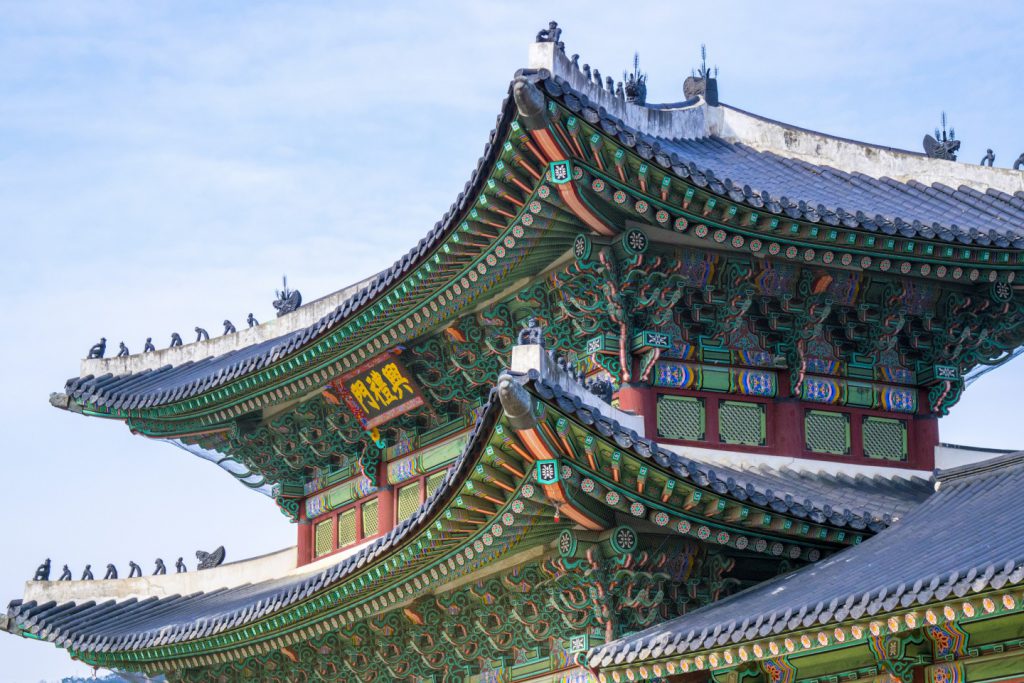
Gyeongbokgung Palace: The grandest of Seoul’s five royal palaces. Visitors can watch the colorful Changing of the Guard ceremony and explore the sprawling grounds, especially while wearing traditional hanbok attire.
-
Bukchon Hanok Village: A remarkably preserved residential neighborhood filled with hundreds of traditional Korean wooden homes (hanoks) dating back to the Joseon Dynasty.
-
N Seoul Tower (Namsan): Perched at the top of Namsan Mountain, this iconic tower offers 360-degree panoramic views of the endless cityscape below.
-
Starfield Library & COEX: Located in Gangnam, this massive, multi-story open public library features towering, photogenic bookshelves that rise all the way to the glass ceiling.
Where to Stay
Each neighborhood in Seoul caters to a completely different travel style, making your base choice highly important.
| Neighborhood | Best For | Atmosphere |
| Myeongdong | First-timers & Shoppers | High-energy, central, packed with street food and markets |
| Insadong | Culture & Cafe Lovers | Artistic, walkable, traditional architecture and tea houses |
| Hongdae | Nightlife & Budget Travelers | Youthful, vibrant, filled with street buskers and indie bars |
| Gangnam | Business & Premium Hotels | Sleek, modern, upscale dining and luxury high-rises |
How to Get Around
Seoul boasts one of the most technologically advanced, efficient, and cleanest public transit networks in the world.
-
The Seoul Subway: Highly comprehensive, color-coded, and fully English-signposted. Line 2 (the green loop line) is particularly useful as it circles the entire city center and connects almost all major tourist hubs.
-
The Climate Card / T-Money: Essential rechargeable transit cards. You simply tap them when entering and exiting subways or buses to seamlessly calculate fares, and they can also be used to pay in local convenience stores.
-
City Buses: A fantastic network of brightly color-coded buses (Blue for main roads, Green for local neighborhoods, Yellow for central tourist loops) that fill in any minor gaps left by the subway tracks.
-
Taxis: Very safe, affordable, and readily available. Standard silver or orange taxis are highly cost-effective, while Deluxe black taxis offer premium service with drivers who frequently speak English.
RoadsnRunways
We engineer seamless global travel experiences from asphalt to altitude. Backed by first-hand expertise across more than 45 countries, we manage every variable of your journey, specializing in securing premium international hotel bookings at completely unbeatable rates.