Archives
Categories
-

Bali
Related Tours
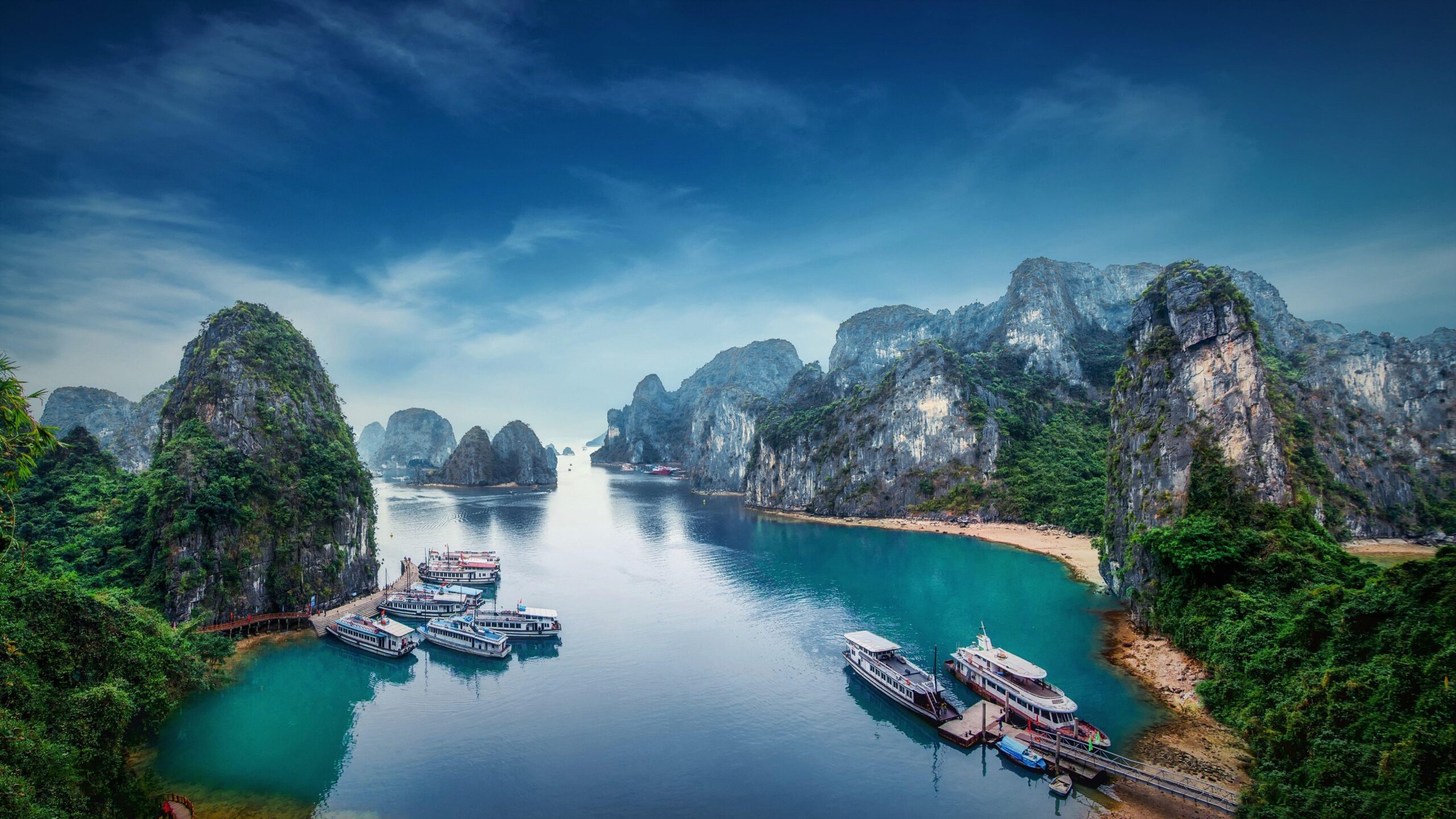

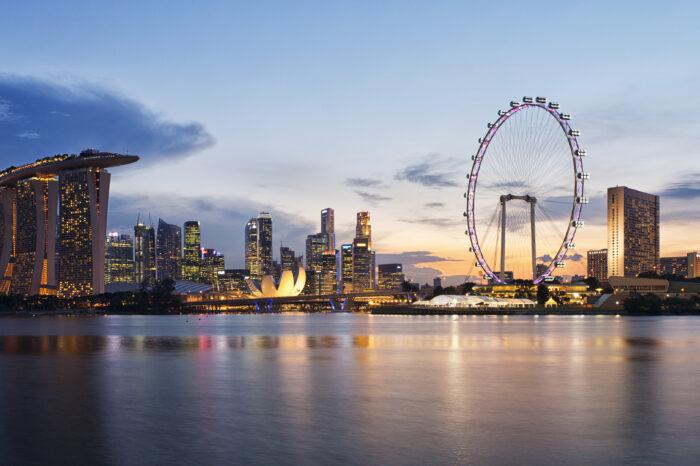
Bali offers a seemingly unlimited choice of beachside relaxation, high-adrenaline adventure, rich spiritual culture, and vibrant cafe dining to its visitors.
Exploring the Area
Bali is a remarkably diverse island where volcanic peaks, lush jungle valleys, and world-class coastlines sit side by side. To optimize an itinerary, it helps to understand the distinct personality of each major region.
-
Ubud (The Cultural Heart): Located inland among the central highlands, this area is the spiritual center of the island, famous for its dense rainforests, artistic communities, and terraced landscapes.
-
Canggu & Seminyak (The Southwest Coast): The vibrant, modern pulse of Bali. Canggu is a global hub for surf culture and creative cafes, while neighboring Seminyak offers a more upscale blend of high-end boutiques and sleek beach lounges.
-
The Bukit Peninsula (The Far South): Home to Uluwatu and Nusa Dua. This rugged southern tip features dramatic limestone cliffs, premium clifftop properties, and pristine white-sand pockets.
-
The East Coast (Sanur & Amed): Sanur offers a calm, family-friendly seaside atmosphere, while heading further north to Amed reveals a laid-back coastline defined by volcanic black sand and exceptional diving.
Coastal Adventures
Bali’s coastline transitions dramatically from lively, wave-swept surf beaches to tranquil reef-protected lagoons and rugged offshore islands.
-
The Beach Club Scene: Bali has mastered the open-air oceanfront lounge concept. World-class venues like Finns or Potato Head line the southwest coast, offering beachfront infinity pools and panoramic sunset views.
-
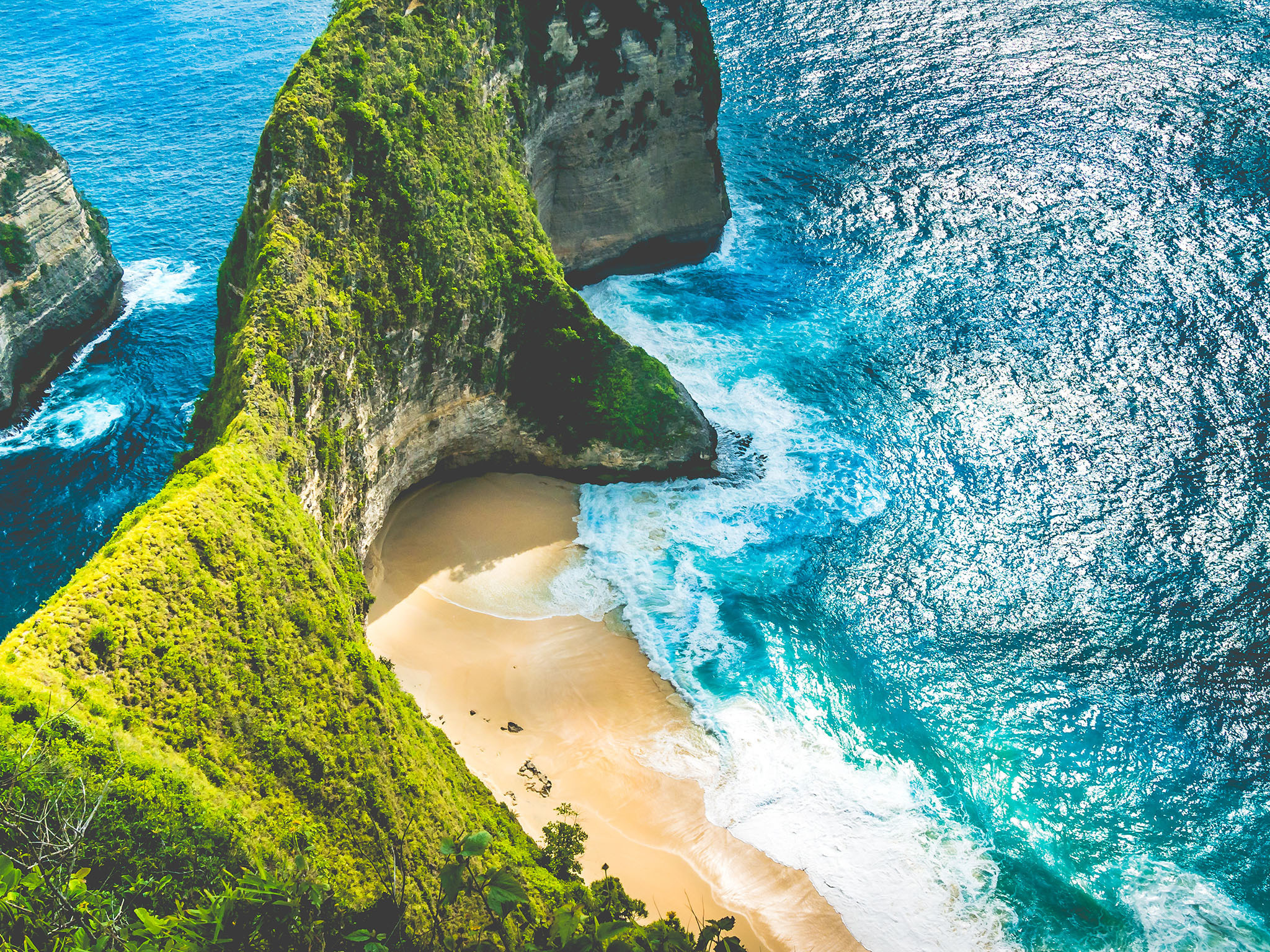
Clifftop Exploration in Uluwatu: The southern peninsula features dramatic ocean vistas from atop soaring cliffs. Hidden coves down below, like Suluban Beach, require navigating limestone caves to reach the water.
-
Jimbaran Bay Seafood Markets: A quintessential seaside dining tradition where tables are set directly on the sand, allowing visitors to enjoy grilled seafood platters as the tide rolls in.
-
Nusa Island Day Trips: Traditional speedboats depart daily from Sanur to the rugged nearby islands of Nusa Penida and Nusa Lembongan, famous for dramatic rock formations like Broken Beach and exceptional manta ray snorkeling.
Eating and Drinking
Bali’s culinary landscape is exceptionally multi-layered, effortlessly balancing centuries-old Indonesian recipes with a world-renowned creative cafe culture.
-
Traditional Warungs: Local, family-run eateries where visitors can sample authentic Balinese specialties like Babi Guling (spiced spit-roasted pork) or Nasi Campur (a custom plate of mixed meats, vegetables, and sambal).
-
The Creative Cafe Movement: Concentrated heavily in Canggu and Ubud, Bali’s open-air brunch spots are globally celebrated for specialty coffee, organic farm-to-table dishes, and highly photogenic tropical designs.
-
Fine Dining & Open-Kitchen Grills: The island hosts a sophisticated wave of award-winning restaurants that pair indigenous Indonesian ingredients with modern wood-fired cooking techniques and experiential tasting menus.
-
Sunset Sundowners: Grabbing a chilled local Bintang beer or a fresh coconut from a casual beanbag on Double Six Beach or Echo Beach is the quintessential end-of-day island ritual.
What to See and Do
A classic Bali journey seamlessly bridges iconic Hindu water temples, dramatic volcanic treks, and traditional arts.
-
Ancient Sea Temples: Landmarks like Tanah Lot, perched dramatically on a wave-swept rock outcrop, and Uluwatu Temple, built on the edge of a 70-meter cliff where traditional Kecak fire dances are performed at dusk.
-
Tegallalang Rice Terraces: Located just north of Ubud, these valley-carved fields showcase the ancient, cooperative Balinese irrigation system known as Subak.
-
Mount Batur Sunrise Trek: An active adventure involving an early morning hike up a live volcano to watch the sun rise over Lake Batur and the surrounding mountain mists.
-
The Sacred Monkey Forest: A protected, lush sanctuary in Ubud where hundreds of long-tailed macaques roam freely amidst stone bridges and ancient banyan-covered jungle temples.

Where to Stay
Because geography and traffic heavily dictate the pace of your stay, picking the right base is essential.
How to Get Around
Bali does not have a rapid mass transit rail system, meaning road travel via private or digital transit is the primary way to navigate the island.
-
Private Car with Driver: The most popular and cost-effective option for day-long sightseeing. Hiring a local driver offers air-conditioned comfort and local expertise while completely eliminating the stress of navigating rural roads.
-
Ride-Hailing Apps: Utilizing regional applications like Grab or Gojek makes booking metered cars or fast motorcycle taxis incredibly simple and transparent in major southern hubs.
-
Scooter Rentals: A common choice for experienced riders looking to bypass narrow corridor traffic in Canggu or Ubud. This option requires an international driving permit, a helmet, and significant caution.
-
Fast Boat Ferries: The primary transit choice for traveling across the water to the neighboring Gili Islands or Lombok, departing regularly from the Sanur or Padangbai harbors.
RoadsnRunways
We engineer seamless global travel experiences from asphalt to altitude. Backed by first-hand expertise across more than 45 countries, we manage every variable of your journey, specializing in securing premium international hotel bookings at completely unbeatable rates.