Archives
Categories
-

Paris
Related Tours
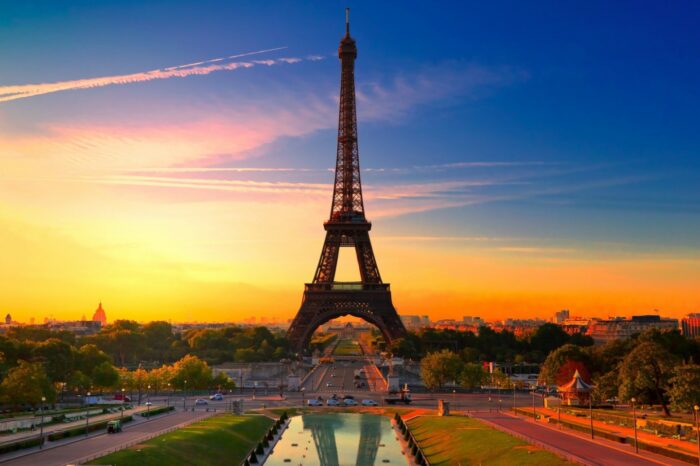


The French capital is at once historic, modern, romantic, intellectual, grandiose and elegantly understated.
Exploring the Area
Paris is organized into 20 numbered districts called arrondissements, which spiral outward from the city center like a clockwork snail shell. Navigating the city is easiest when you understand the distinct character of the two banks divided by the Seine River.
-
The Right Bank (Rive Droite – North of the River): Home to major commercial hubs, massive avenues, and grand cultural institutions. Key areas include Le Marais (historic Jewish and LGBTQ+ quarter with medieval lanes), Montmartre (the hilltop artistic village), and the grand avenues around the Champs-Élysées.
-
The Left Bank (Rive Gauche – South of the River): Traditionally the intellectual and bohemian core of Paris. It features the historic Latin Quarter (home to the Sorbonne University), Saint-Germain-des-Prés (classic literary cafes), and the residential streets surrounding the Eiffel Tower.
-
The Islands (Île de la Cité & Île Saint-Louis): Located right in the middle of the river, this is the historic geographic birthplace of Paris and houses monument centers like Notre-Dame.
Coastal Adventures
Life in Paris naturally flows along the banks of the Seine River, which is recognized as a UNESCO World Heritage site and offers some of the city’s best open-air viewing areas.
-
Les Berges de Seine: The riverbanks have been completely pedestrianized, transforming the concrete quays into miles of walkways, pop-up cafes, climbing walls, and public seating right at the water’s edge.
-
Bateaux Parisiens & Vedettes du Pont Neuf: Classic open-top river cruise boats that depart continuously throughout the day. A night cruise is highly recommended to see the city’s monuments illuminated from the water.
-
Canal Saint-Martin: For a more local, bohemian waterfront experience, this historic canal in northern Paris features iron footbridges and shaded banks where locals gather for evening picnics.
-
Paris Plages: A seasonal summer transformation where sections of the riverbanks are packed with palm trees, lounge chairs, and misting stations to create an urban beach atmosphere.

Eating and Drinking
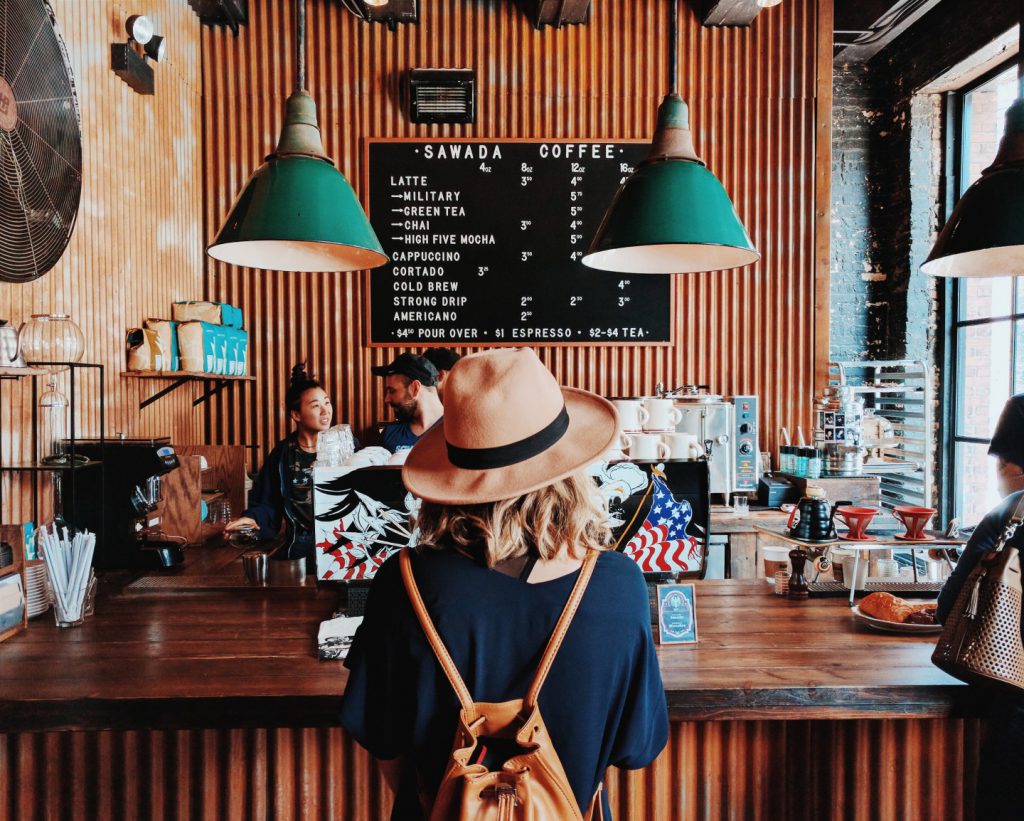
The Parisian culinary landscape smoothly balances centuries-old bistro traditions with a vibrant, modern wave of international coffee shops and casual neighborhood dining.
-
Classic Bistro Dining: Small, independent neighborhood joints characterized by chalkboard menus, tightly packed wooden tables, and traditional staples like steak frites, duck confit, and escargot.
-
The Boulangerie Culture: A daily ritual centered around neighborhood bakeries. Visitors can pick up freshly baked baguettes, flaky croissants, and pain au chocolat straight out of the ovens.
-
Sidewalk Cafe Culture: Ordering an espresso or a glass of wine at a street-facing terrace table is the quintessential Parisian past-time. Tables are deliberately oriented facing the sidewalk for optimal people-watching.
-
Open-Air Food Markets: Vibrant neighborhood markets like Marché d’Aligre or Rue Mouffetard where locals buy artisanal cheeses, fresh produce, cured meats, and warm crêpes directly from independent vendors.
What to See and Do
Paris holds an unmatched concentration of legendary world-class art collections, gothic masterworks, and architectural landmarks.
-
The Eiffel Tower: The global symbol of France. Visitors can take elevators to the observation decks for sweeping panoramic city views, or watch the tower sparkle with thousands of glittering lights for five minutes on the hour every evening.
-
The Louvre Museum: The world’s largest art museum, housed in a grand 12th-century royal palace and marked by its iconic glass pyramid entrance. It is home to thousands of masterpieces, including the Mona Lisa and the Venus de Milo.
-
Notre-Dame Cathedral: Located on the Île de la Cité, this masterpiece of French Gothic architecture has fully reopened its doors to the public, welcoming visitors to admire its grand rose windows and towering stone vaults.
-
The Basilica of the Sacré-Cœur (Montmartre): A striking white stone basilica perched at the highest point of the city. The steps out front offer an incredible, free view of the sprawling Paris skyline.
Where to Stay
Choosing the right neighborhood determines whether your trip feels like a high-energy city holiday or a quiet village escape.
| Neighborhood | Best For | Atmosphere |
| Le Marais | First-timers & Boutique Shopping | Trendy, historic stone alleys, central location |
| Saint-Germain | Food Lovers & Classic Paris | Elegant, upscale, historic cafes and art galleries |
| Montmartre | Romantics & Budget Travelers | Hilly, artistic, old-world cobblestone village charm |
| 7th Arrondissement | View Chasers & Families | Quiet, classic residential blocks near the Eiffel Tower |
How to Get Around
Paris is an exceptionally walkable city, backed by a dense, seamless urban transit network that makes driving or hailing cars unnecessary.
-
The Paris Metro: Fast, efficient, and highly comprehensive. With over 300 stations, you are rarely more than a five-minute walk from a metro entrance anywhere in central Paris.
-
Digital Navigo Tickets: Physical paper tickets have been entirely phased out across the network. Visitors must now use a reusable Navigo Easy plastic card or load digital transit passes directly onto their smartphone apps.
-
The RER Train System: A high-speed suburban train network that links directly with the regular city metro stations. This is the primary transit choice for longer day trips out to Versailles or Disneyland Paris.
-
Vélib’ Bike Share: A highly successful municipal bicycle-rental system with thousands of docking stations across the city. Extensive, dedicated two-wheel lanes make cycling along the Seine a safe and popular option.
RoadsnRunways
We engineer seamless global travel experiences from asphalt to altitude. Backed by first-hand expertise across more than 45 countries, we manage every variable of your journey, specializing in securing premium international hotel bookings at completely unbeatable rates.